On January 24th, 2026, Oryx Dental Software turns ten.
In startup terms, that matters. Fewer than 35 percent of companies make it to the ten-year mark, and even fewer do so without venture capital. Oryx did both. Self-funded, dentist-led, and clinically rooted from day one, Oryx reaches this milestone not as a survivor, but as a category leader helping redefine how dentistry is practiced around the world.
Today, nearly 2,000 practices across five continents and more than 15,000 clinicians rely on Oryx every day. Not because it was flashy or first to market, but because it solved a real problem dentistry had quietly accepted for decades: inconsistent diagnosis, fragmented workflows, and software built for billing instead of care.
Key Takeaways
- 01 Most dental software was built around scheduling and billing, not around the exam room. Oryx was founded by a practicing dentist who saw that gap firsthand and built a platform to close it.
- 02 Oryx started from a real clinical problem: without a repeatable way to examine, diagnose, and communicate findings, patient care became inconsistent the moment the dentist stepped away.
- 03 When clinical structure is built directly into daily workflows, practices can deliver consistent, high quality care regardless of who is in the operatory that day or how much the team has changed.
- 04 Over ten years, Oryx has grown more than 560 percent entirely through word of mouth, without outside funding, because it solves a problem dental teams experience every single day.
- 05 Dentistry does not have to choose between running an efficient practice and delivering patient first care. When software is built around clinical workflows rather than administrative ones, both improve at the same time.
Why This Milestone Matters for Dentistry
Dentistry has long been powered by individual excellence. But individual excellence does not scale without systems.
For years, most dental software focused on administration: scheduling, insurance, claims. Meanwhile, the most important part of care—the exam, diagnosis, and patient understanding—remained dependent on who happened to be in the operatory that day.
Oryx changed that.
By embedding clinical structure directly into daily workflows, Oryx helped practices standardize how dentistry is diagnosed, documented, and communicated. Not to replace clinical judgment, but to support it. The result is greater consistency, clearer patient understanding, and more predictable outcomes—even as teams grow, change, or face staffing constraints.
In an industry where more than 80 percent of practices still rely on on-premise systems designed decades ago, Oryx proved that cloud-based, clinically intelligent software could elevate both care and business performance at the same time.

How Oryx Came to Be
Oryx did not start in a boardroom. It started in a hospital room.
While on bedrest during a high-risk twin pregnancy, founder and CEO Dr. Rania Saleh watched her thriving dental practice struggle. The reason was not marketing or staffing. It was inconsistency. Without her leading every exam, patients were leaving without fully understanding their diagnosis or options.
There was no systematic way to examine, diagnose, and communicate risk.
So she built one.
What began as handwritten clinical frameworks evolved into software. Software that guided comprehensive exams. Software that required diagnosis before treatment planning. Software that produced personalized patient risk assessment reports using real photos, radiographs, and findings.
Oryx was born not to manage dentistry’s paperwork, but to protect dentistry’s purpose.
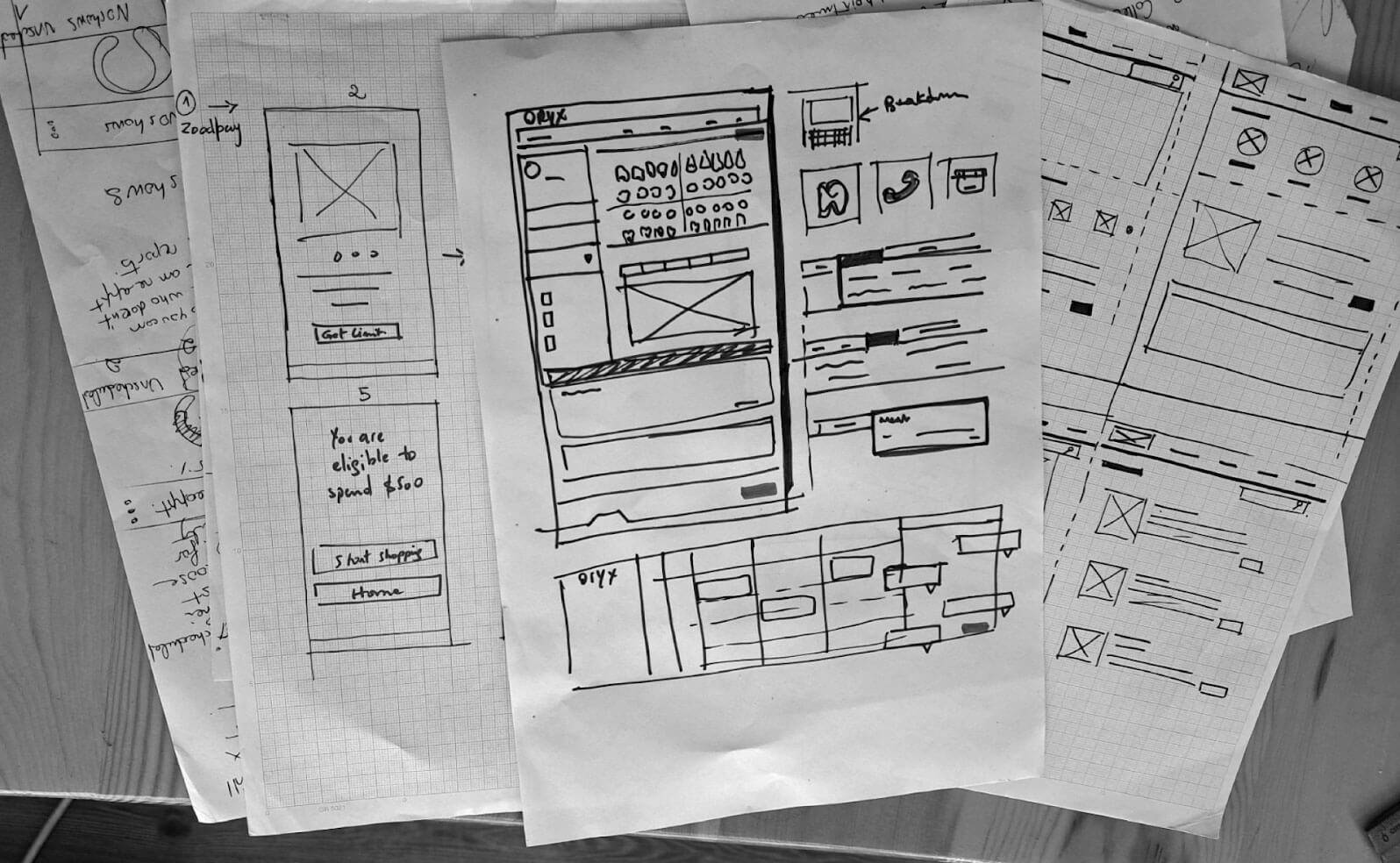
Early Oryx Dental Software wireframes—where the clinical workflow-first vision began.
What Oryx Has Proven Over Ten Years
Over the last decade, Oryx has quietly validated a different model for dental technology.
- Clinical structure improves patient trust and case acceptance
- Consistency reduces dependence on individual providers
- Integrated systems outperform fragmented tool stacks
- Cloud access enables resilience, flexibility, and remote readiness
- Diagnosis-first workflows elevate both care quality and business health
These principles now power a platform that has grown more than 560 percent in the last three years alone, entirely through word of mouth. Oryx earned FDA 510(k) clearance for imaging, launched AI-assisted diagnostic support, and displaced patchworks of third-party tools with a single, unified system.
All without outside capital. This year, these accolades helped land Oryx as the 75th fastest growing private software company in the United States on the Inc. 5000.
What Dentistry Can Take Away
Ten years in, Oryx’s biggest contribution may seem philosophical, but it puts tangible control back in the hands of dental professionals.
Dentistry does not have to choose between speed and quality. Between growth and integrity. Between business efficiency and patient-first care.
When clinical intelligence is embedded into software—not layered on top of it—practices gain leverage. Teams become calmer. Exams become faster and more consistent. Patients leave informed instead of confused. And growth becomes sustainable rather than stressful.
These lessons matter now more than ever, as practices face staffing shortages, rising costs, and increasing patient expectations.
Looking Ahead
As Oryx enters its second decade, the focus remains unchanged.
- Build software that helps dentists diagnose with confidence.
- Give teams tools that scale clinical excellence.
- Use automation and AI to remove friction, not judgment.
- Keep dentistry patient-first, even as practices grow.
The next ten years will bring more automation, more intelligence, and more integration. But the foundation for Oryx will remain our clinical conviction without compromise.
Ready to See What Ten Years of Clinical Focus Looks Like?
If you are still managing modern dentistry with software built for the 1990s, this milestone is an invitation.
See how Oryx helps practices deliver consistent, evidence-based care, even with limited staff and growing demand.
Get a demo and experience the future of dentistry today.